PRESSURE
PRESSURE

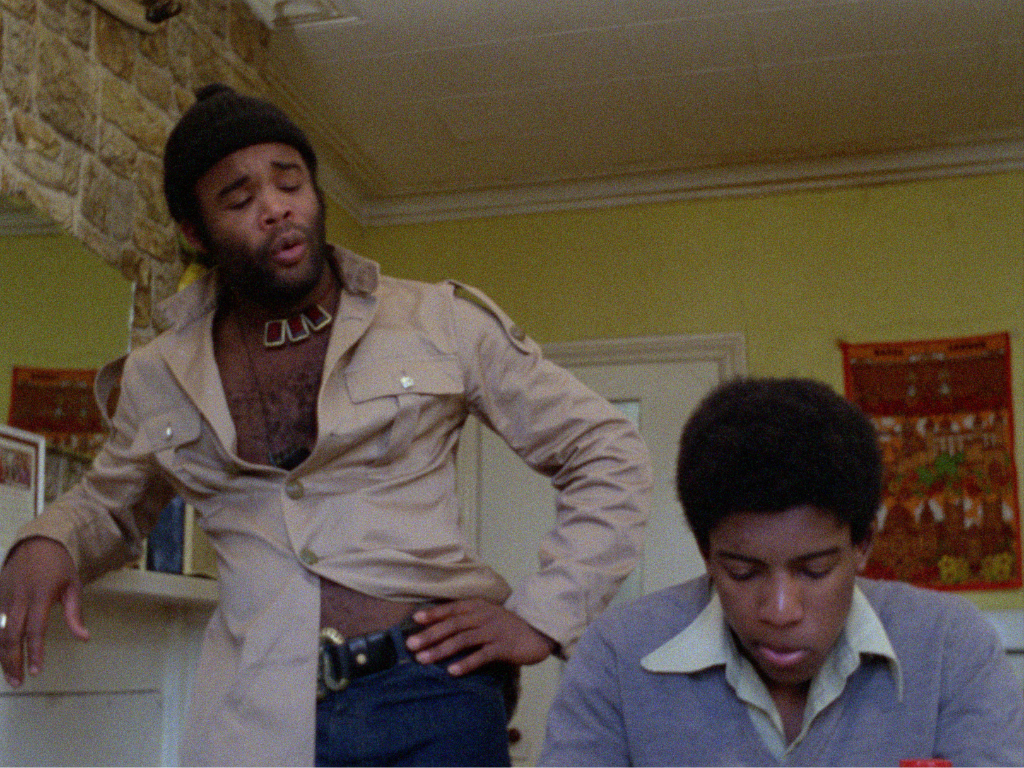
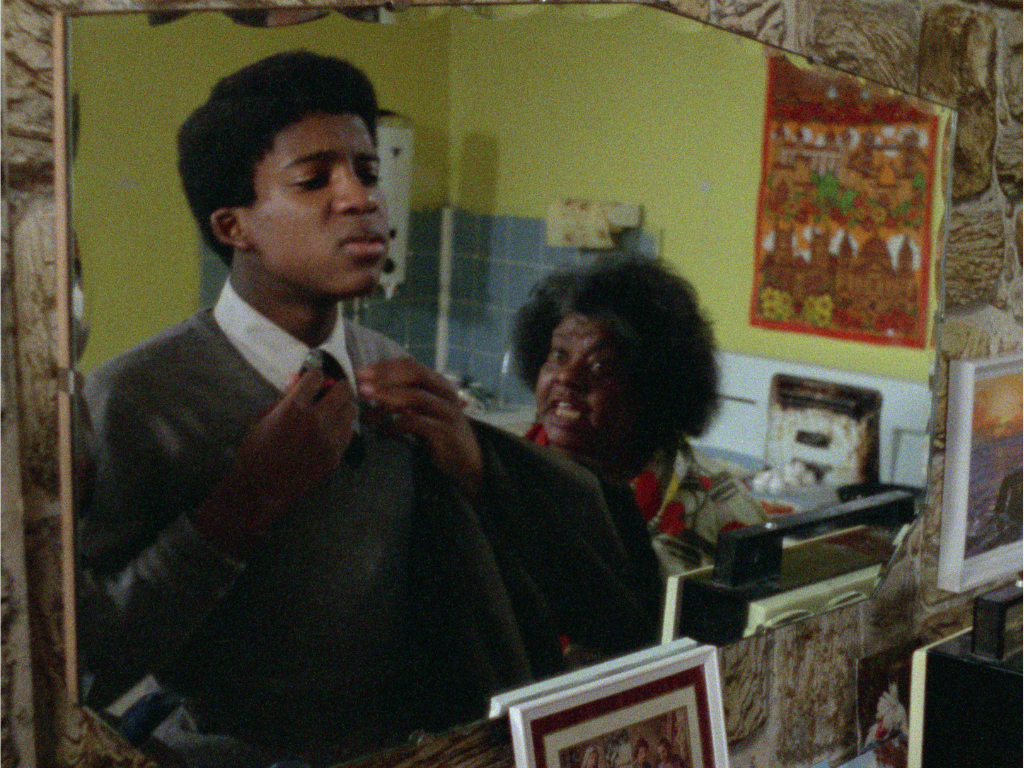
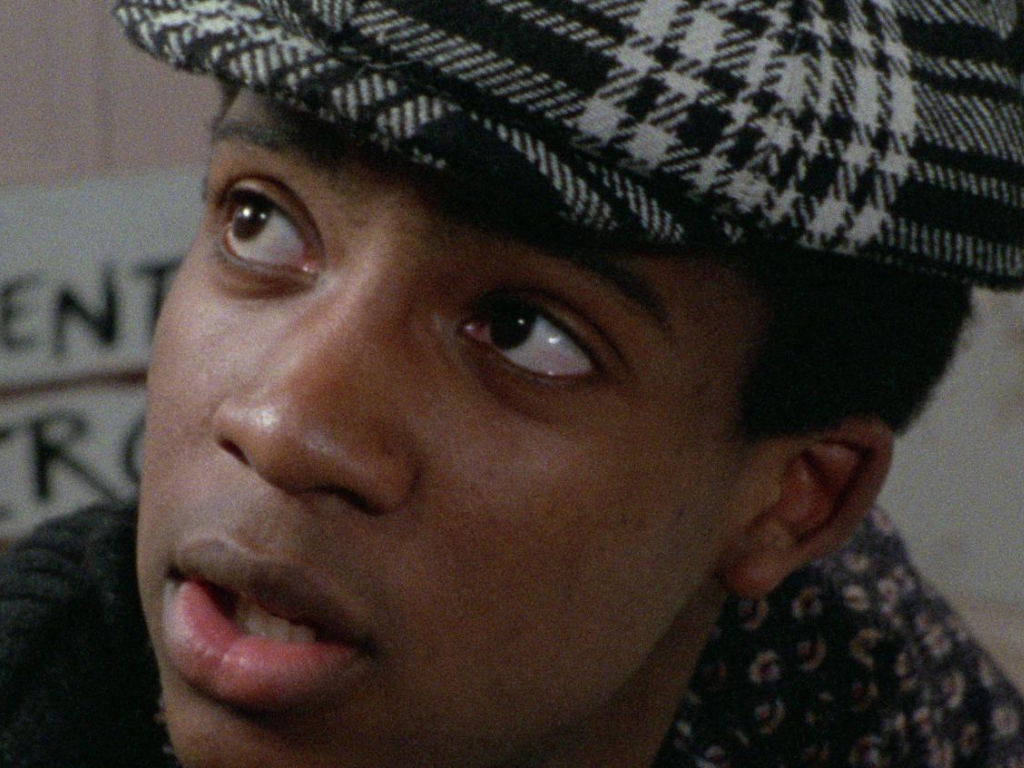
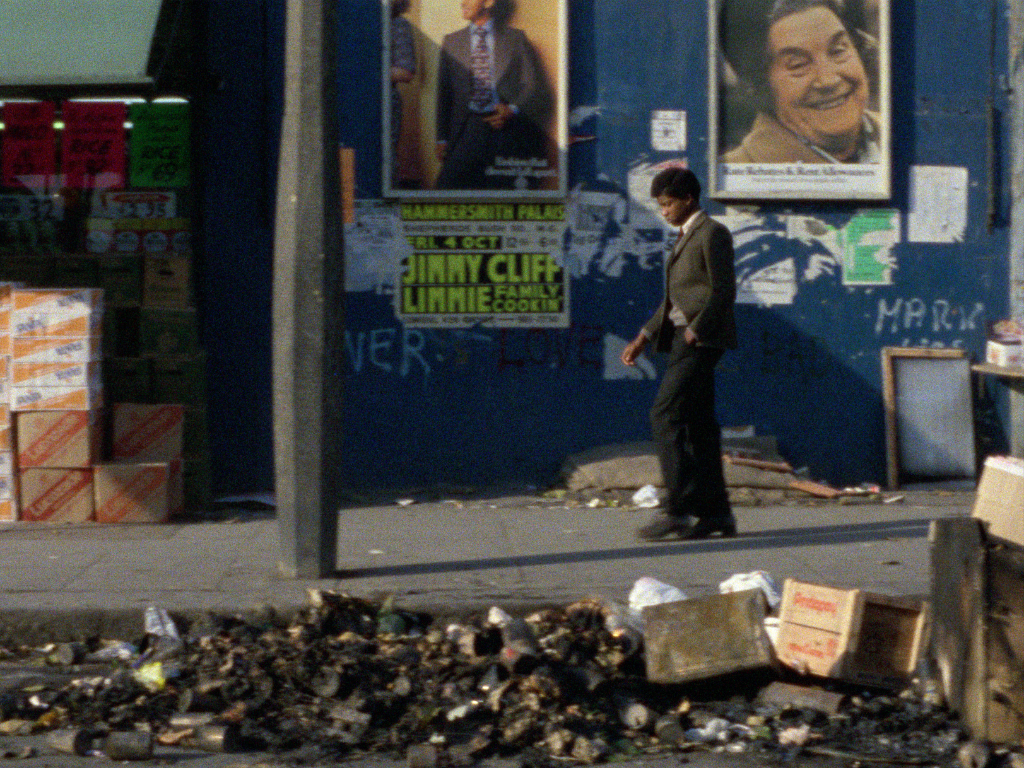
London in the 1970s, around Ladbroke Grove and Notting Hill. Tony, the teenage son of immigrants from Trinidad, is trying to find his place in the world around him.
Despite having finished school, he cannot find a job; he falls in with the wrong crowd and eventually becomes involved in the Black rights movement. He belongs here, yet the white people who hold sway over his future see him as an outsider.
PRESSURE was the first Black British feature film – made by a Black filmmaker – to be produced in the United Kingdom. Born in Trinidad, Horace Ové arrived in the United Kingdom in the late 1950s, at a time when the so-called Windrush generation – West Indian immigrants, whose arrival came to be symbolised by the HMT Empire Windrush, which docked in England in 1948 – were struggling to find their place in British society.
Ové co-wrote the screenplay with Sam Selvon, author of the cult novel The Lonely Londoners, which explores the difficult experiences of those early immigrants and the systemic racism they had to face. In PRESSURE, then, the filmmakers are drawing on experiences they knew firsthand.
Ové’s film is a faithful, almost documentary-like record of its time. On the one hand, it is realist and observational – its unvarnished, raw depiction of London is striking – while on the other, it is light in touch and at times almost surreal. It remains remarkably alive today. It also says a great deal about the present day: the problems faced by Black British citizens in the 1970s remain, unfortunately, just as relevant today.
Text: dr Karolina Kosińska