MISSION
MISSION

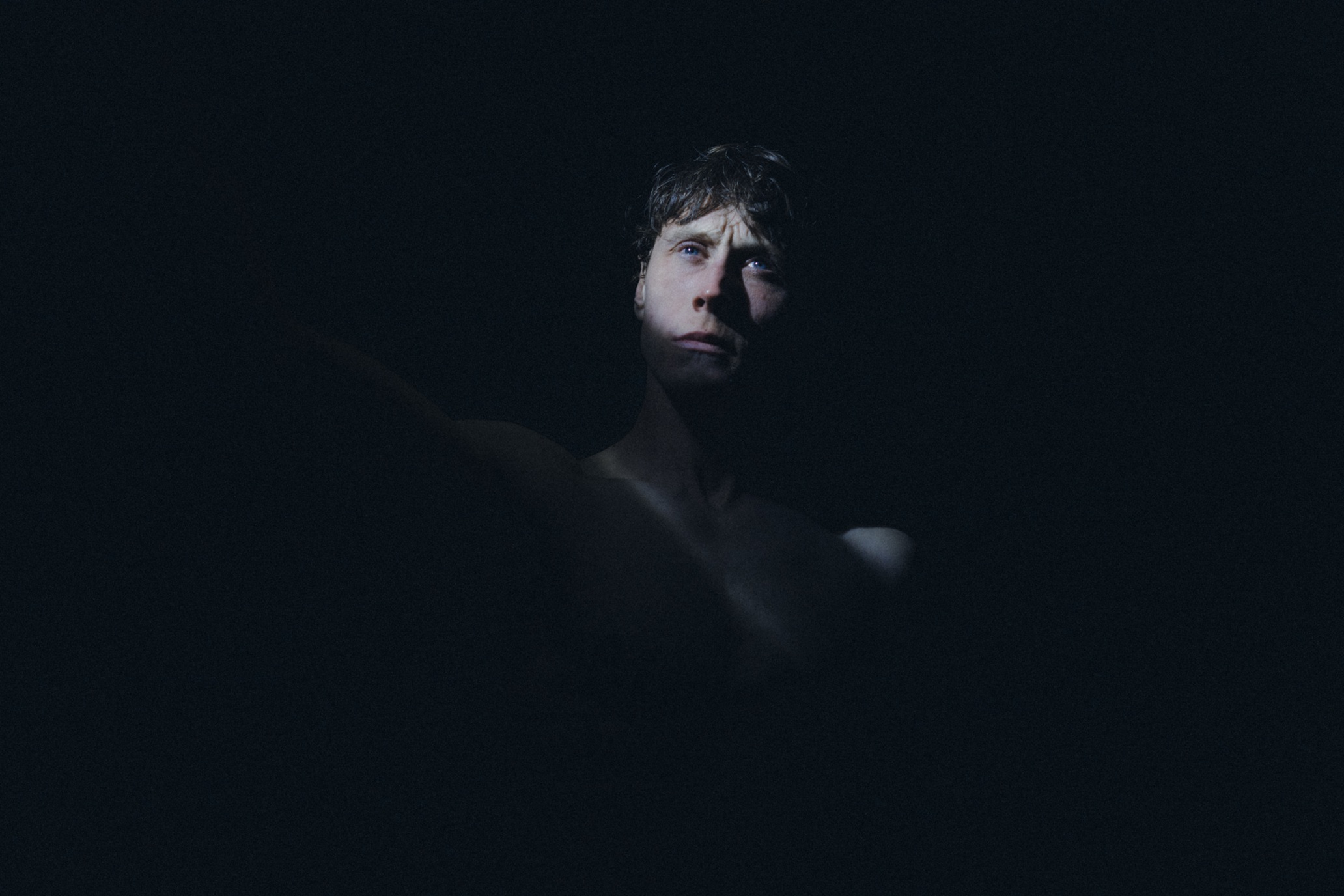
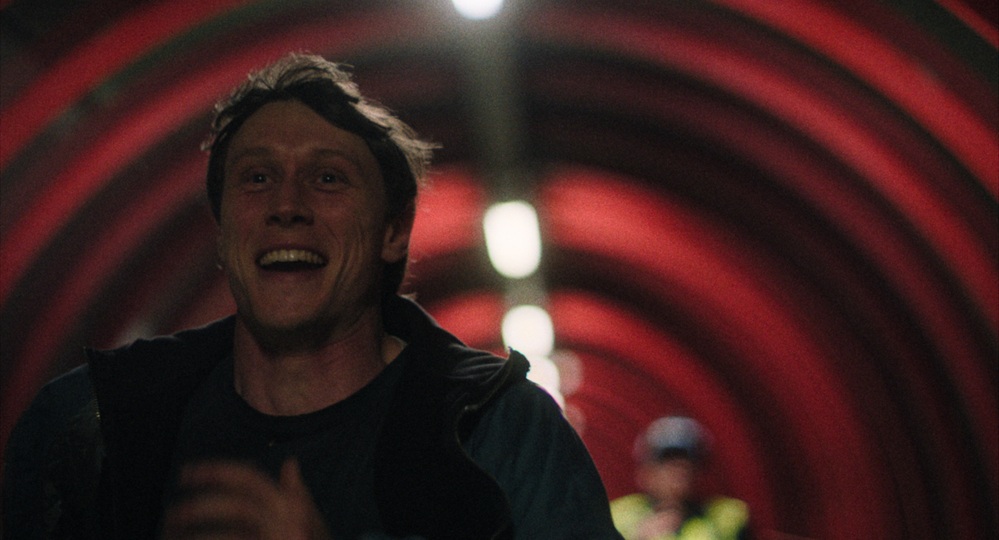
With each passing day, Dylan’s (George MacKay) life feels more and more like a prison. He is plagued by loneliness, unable to form meaningful relationships with the people around him, while the one person he is close to, his sister Claire (Rosy McEwen), is nowhere to be seen.
Little by little, he begins to lose hope that things might ever get better. Desperate times call for desperate measures. Dylan resolves to change his life radically. He quits his job as a waiter in a hotel restaurant, a source of nothing but trouble, and gives himself one week to find something that might give him a reason to keep going.
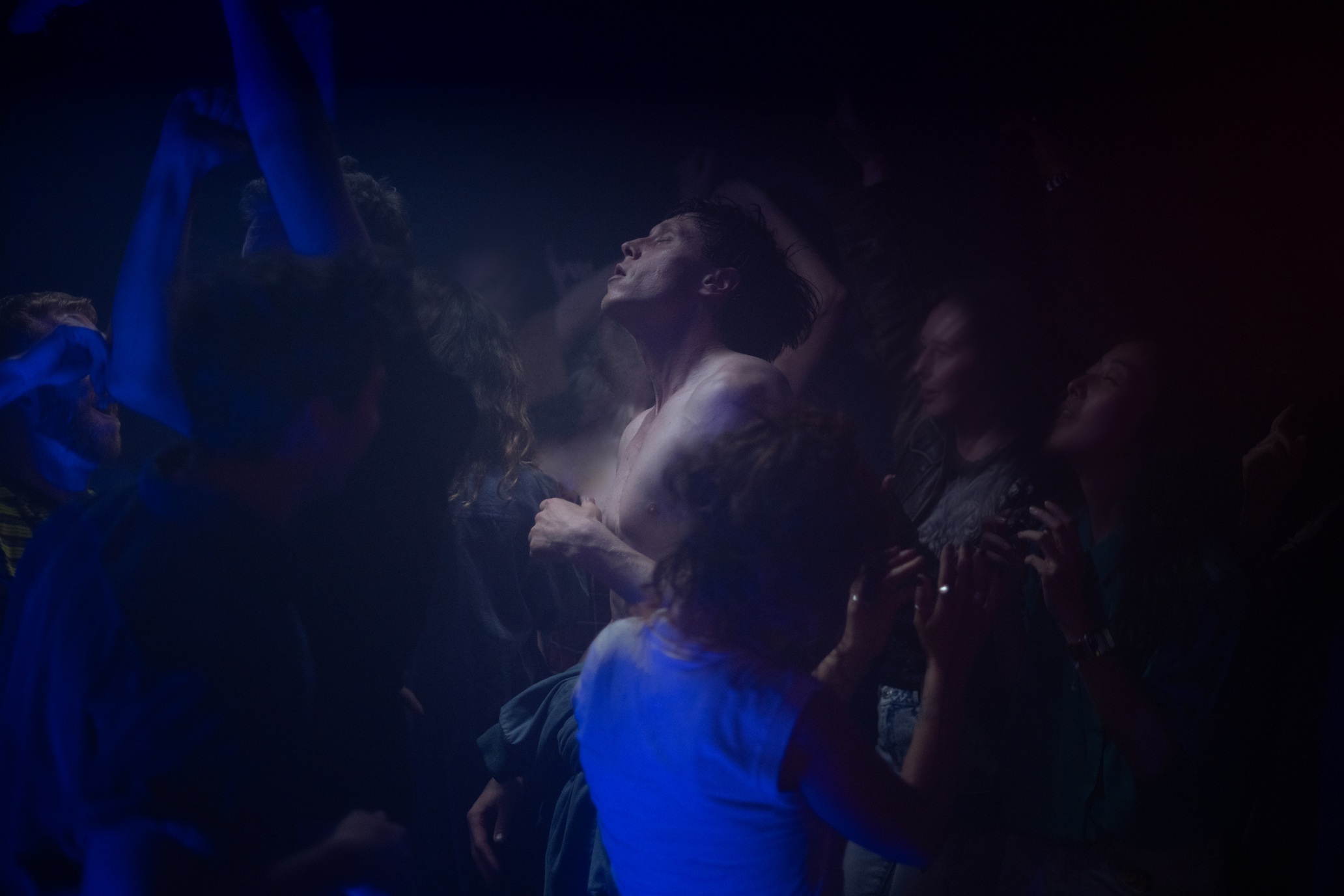
His point of reference is an experience from childhood, when, at the age of seven, he was clinically dead for several minutes. He believes those few minutes were the happiest of his life. Determined to recapture that feeling, he is pushing himself further and further, crossing every conceivable boundary and breaking with social norms.
MISSION (2026), directed by Scottish filmmaker Paul Wright, who works behind the camera only rarely – his previous films include FOR THOSE IN PERIL (2013), also starring MacKay in the lead role – attempts to translate a state of inner chaos, shot through with anhedonia, into cinematic form. Accordingly, there is no conventional narrative here. Instead, the film approaches a stream of consciousness, weaving together footage from a personal camera, archive material and enigmatic reminiscences, all cut together with nervous intensity and accompanied by an abrasive soundtrack. Past, present and future dissolve into a shapeless whole. Reality becomes entangled with imagination. What emerges is a portrait of contemporary masculinity, fraught with fear and pain, and unable to live up to society’s expectations.
Text: Rafał Glapiak