MATTHEW HOPKINS: WITCHFINDER GENERAL
MATTHEW HOPKINS: WITCHFINDER GENERAL

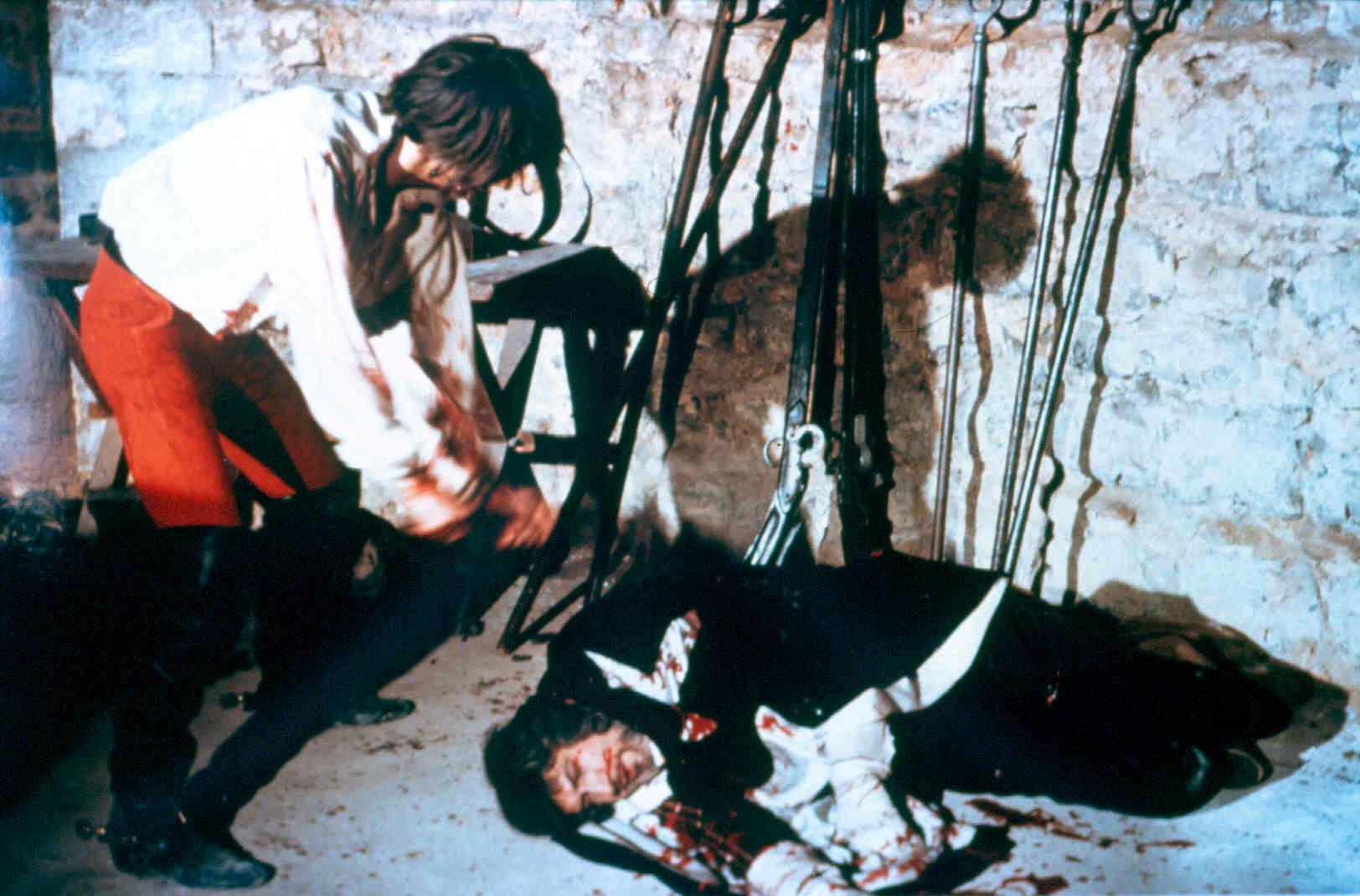
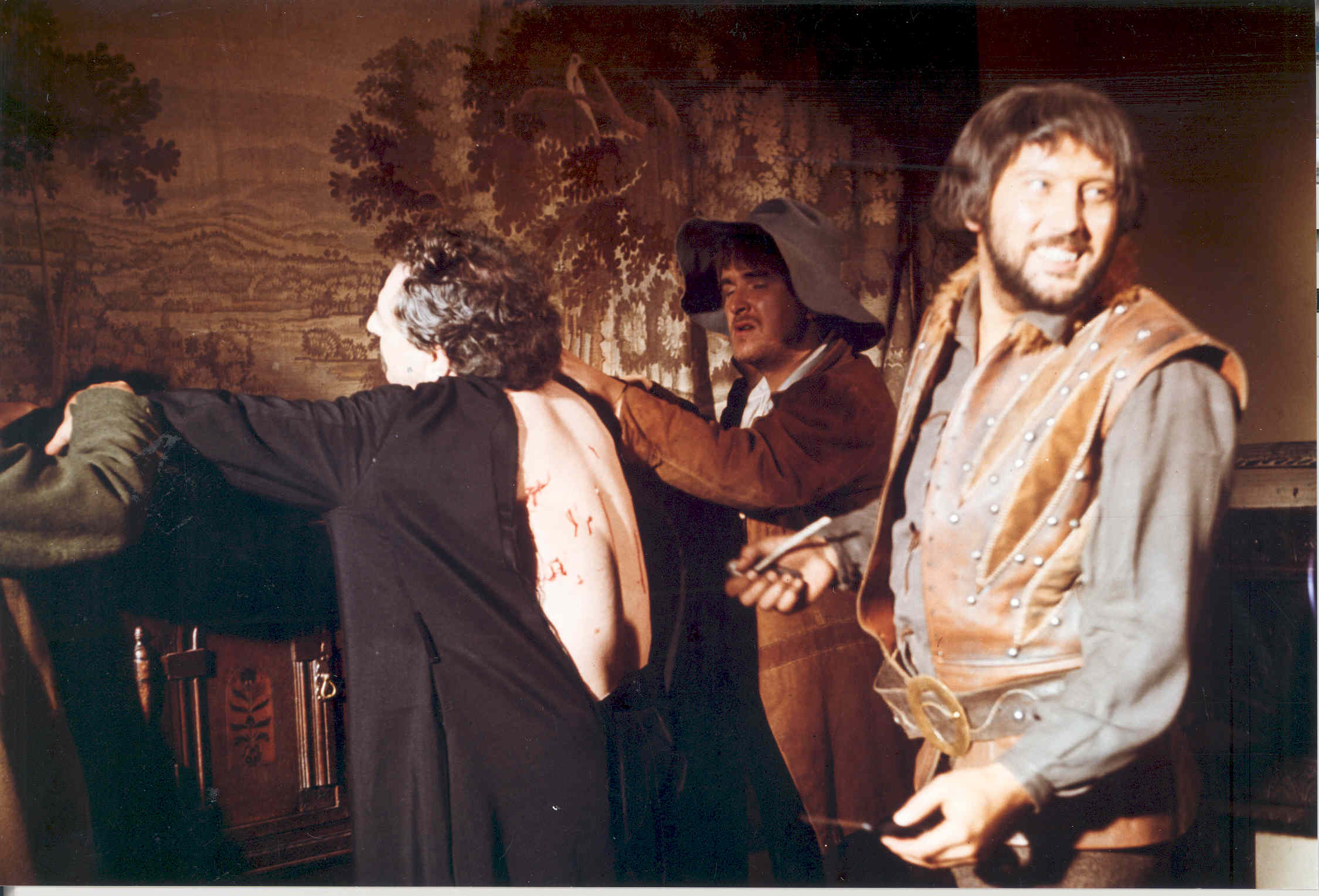
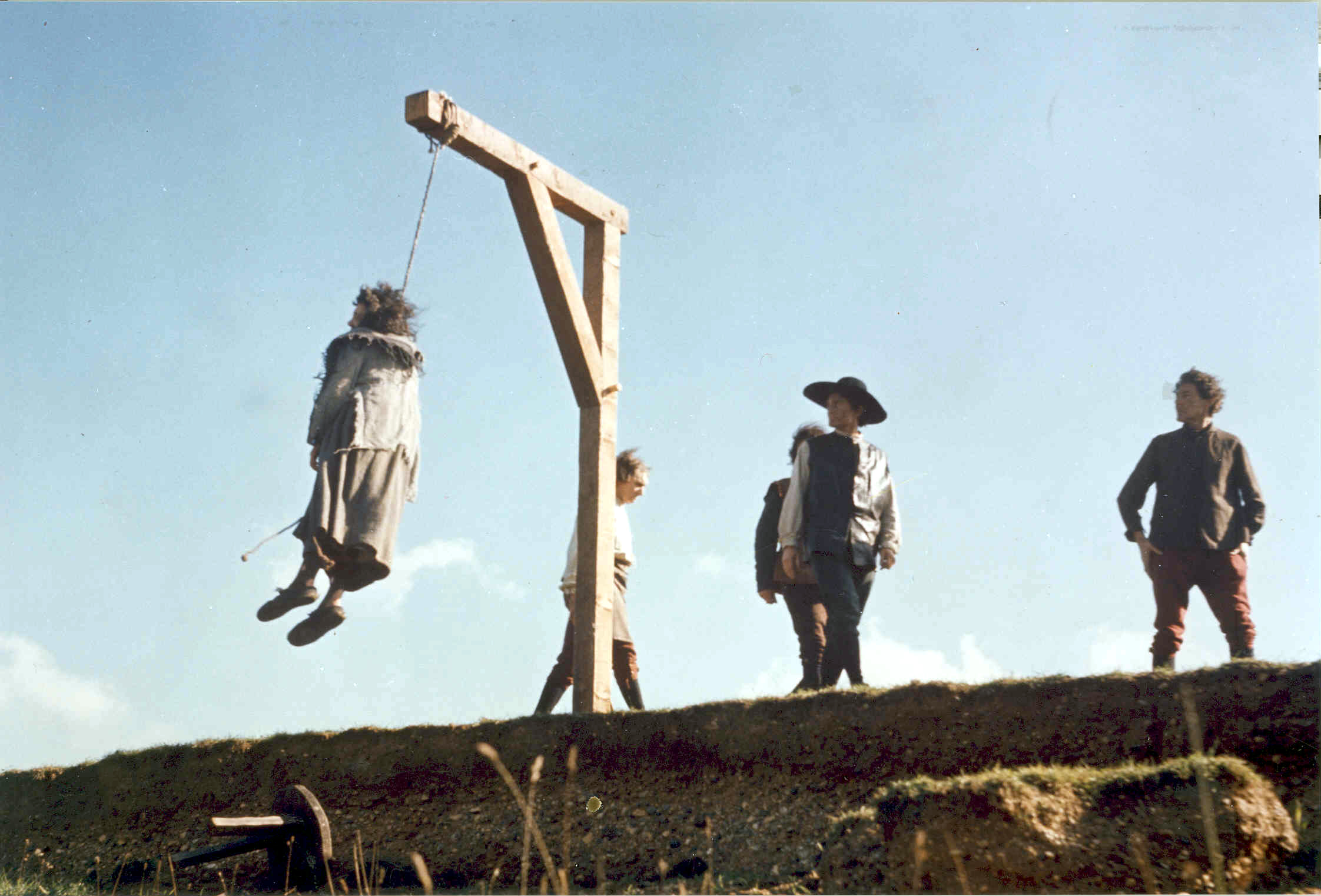
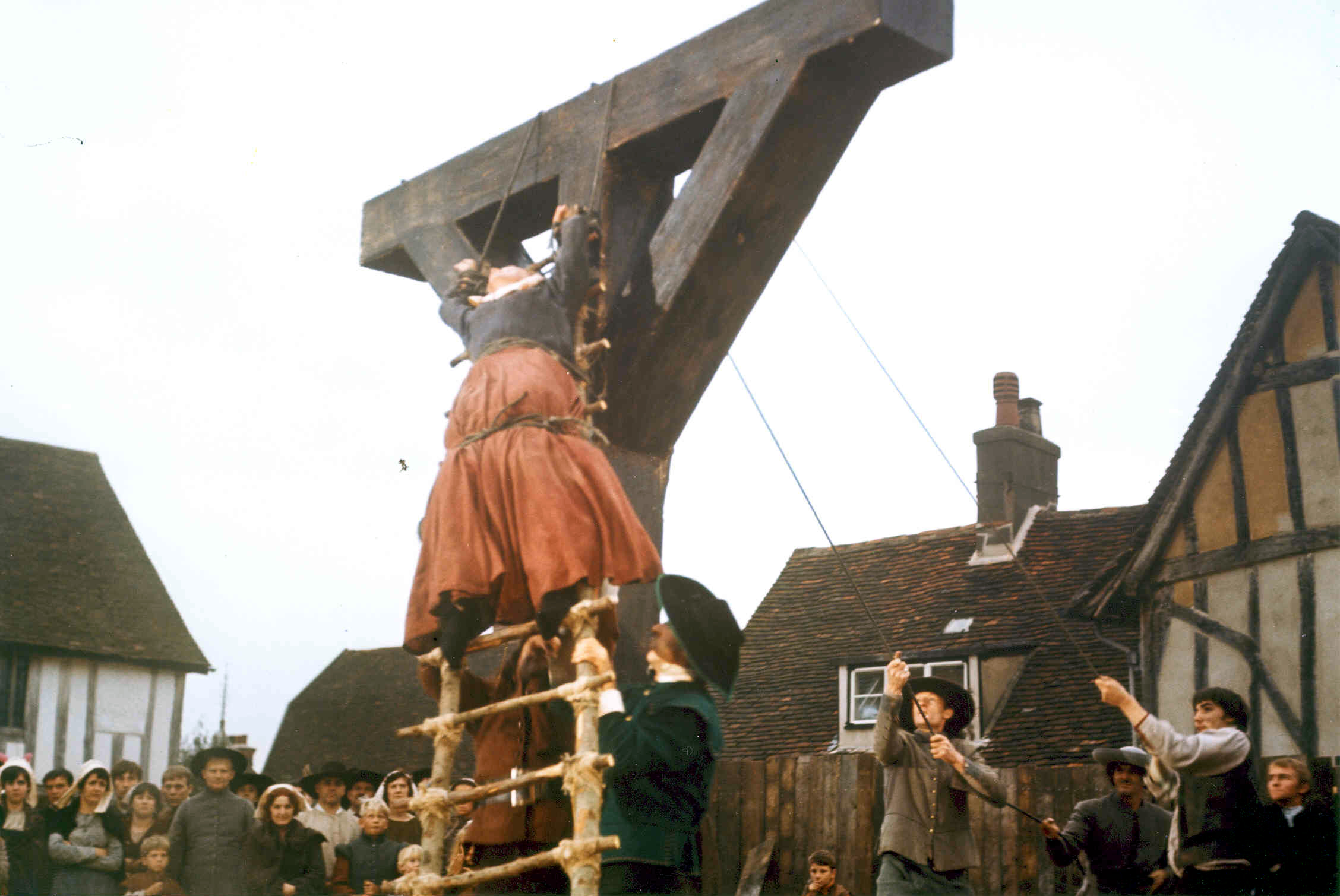
England, the mid-17th century. Civil war is raging, and the chaos provides fertile ground for men like Matthew Hopkins – a lawyer traveling from village to village across East Anglia, handsomely paid to root out witches. He interrogates, tortures, coerces confessions, drowns and hangs.
When a village clergyman becomes one of his victims, soldier Richard Marshall, the fiancé of the condemned man’s niece, sets off in pursuit of Hopkins and his assistant.
Made for £80,000 for Tigon, WITCHFINDER GENERAL caused an immediate scandal. British censors described the screenplay as ‘a study in sadism’; critics wrote that there had been no such outcry over screen violence since PEEPING TOM; and after yet another round of cuts, director Michael Reeves declared that his film had been ruined.
It had not. Today, WITCHFINDER GENERAL is a canonical title – quite literally, in name as well as status – and, alongside THE WICKER MAN and THE BLOOD ON SATAN’S CLAW, screened in last year’s BLOODY HELL! strand, forms the ‘unholy trinity’ from which British folk horror is generally said to begin.
Yet, it does not play like a museum piece. It seethes with anger, telling us that evil needs no demons: a man with an official seal and a few coins for his services will do. Its ending, in which Reeves denies the audience any catharsis, remains one of the most merciless in the history of the genre.
Reeves died just nine months after the film’s release, aged only twenty-five. Yet despite his youth, he had already secured a permanent place in horror history.
Text: dr Grzegorz Fortuna