DRACULA
DRACULA

Sold out.
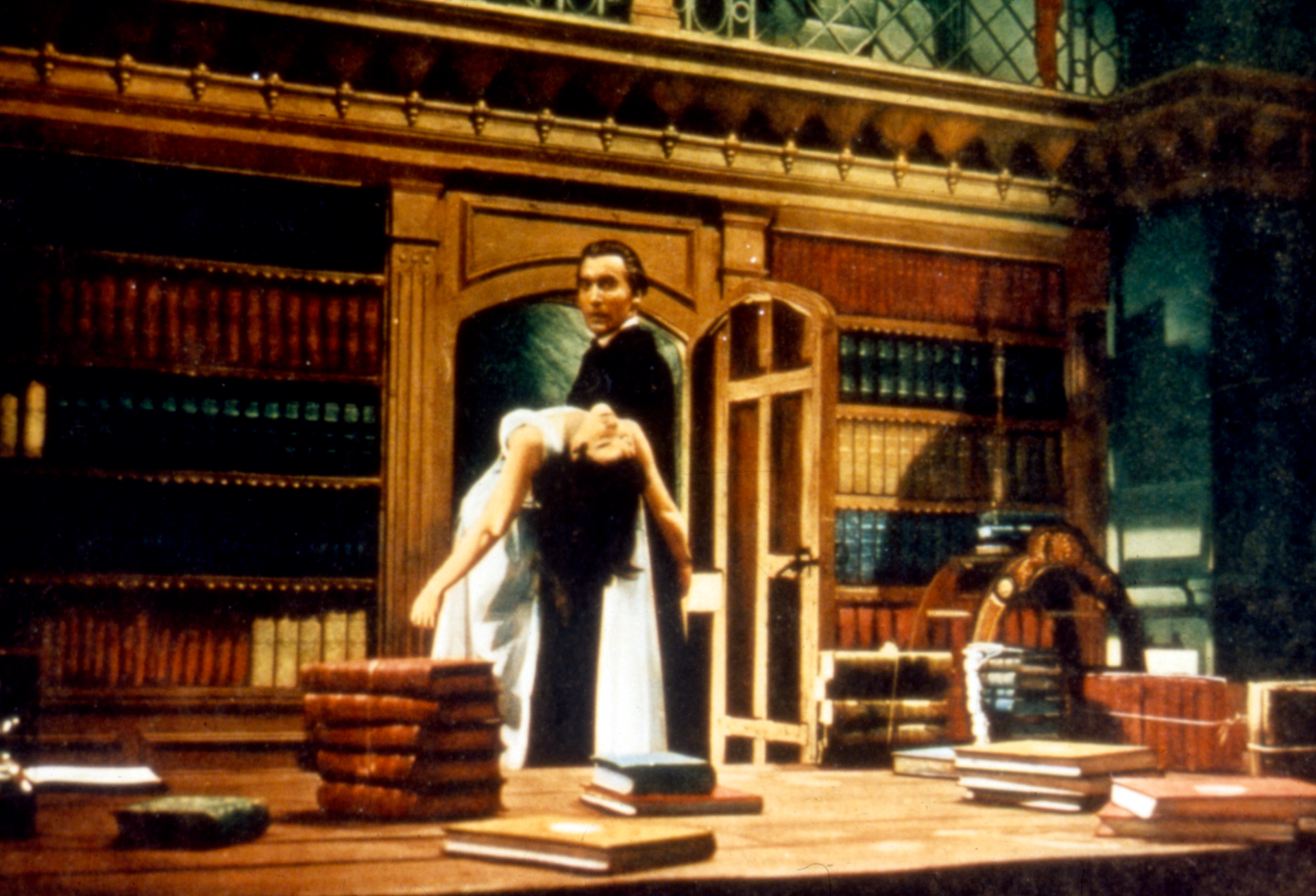
Transylvania, 1885. Jonathan Harker (John Van Eyssen) arrives at Count Dracula’s castle under the pretext of cataloguing its library. Books, however, are not his real concern. His mission is far more dangerous: he intends to destroy the aristocrat, whose true nature is terrifying. Dracula is, quite simply, a vampire.
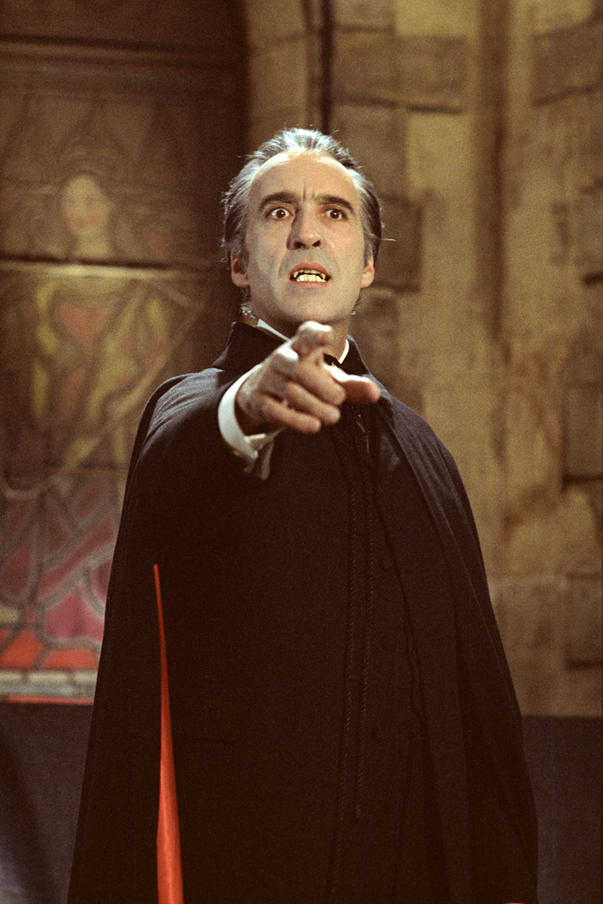
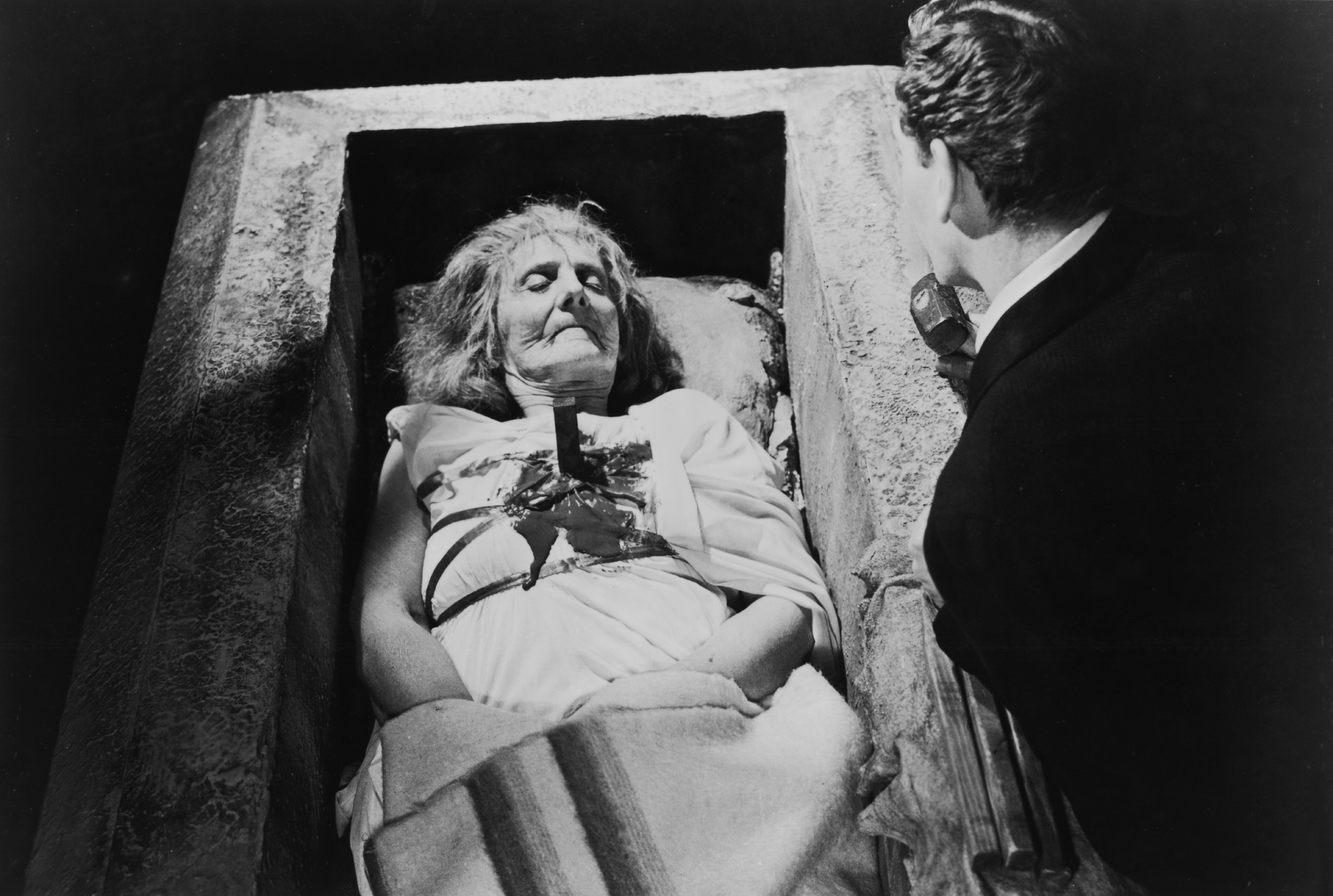
When Dracula discovers Harker’s true intentions, he decides – after doing a few things first – to turn his attention to the man’s fiancée, Lucy Holmwood (Carol Marsh). Soon, not only she, but her entire family, becomes embroiled in the battle against evil. Their ally is Dr Abraham Van Helsing (Peter Cushing), a scholar trying to convince the sceptics around him that behind a series of disturbing events lies a creature that cannot be defeated by conventional means (the remedies, however, are garlic, crucifixes, wooden stakes and, of course, sunlight).
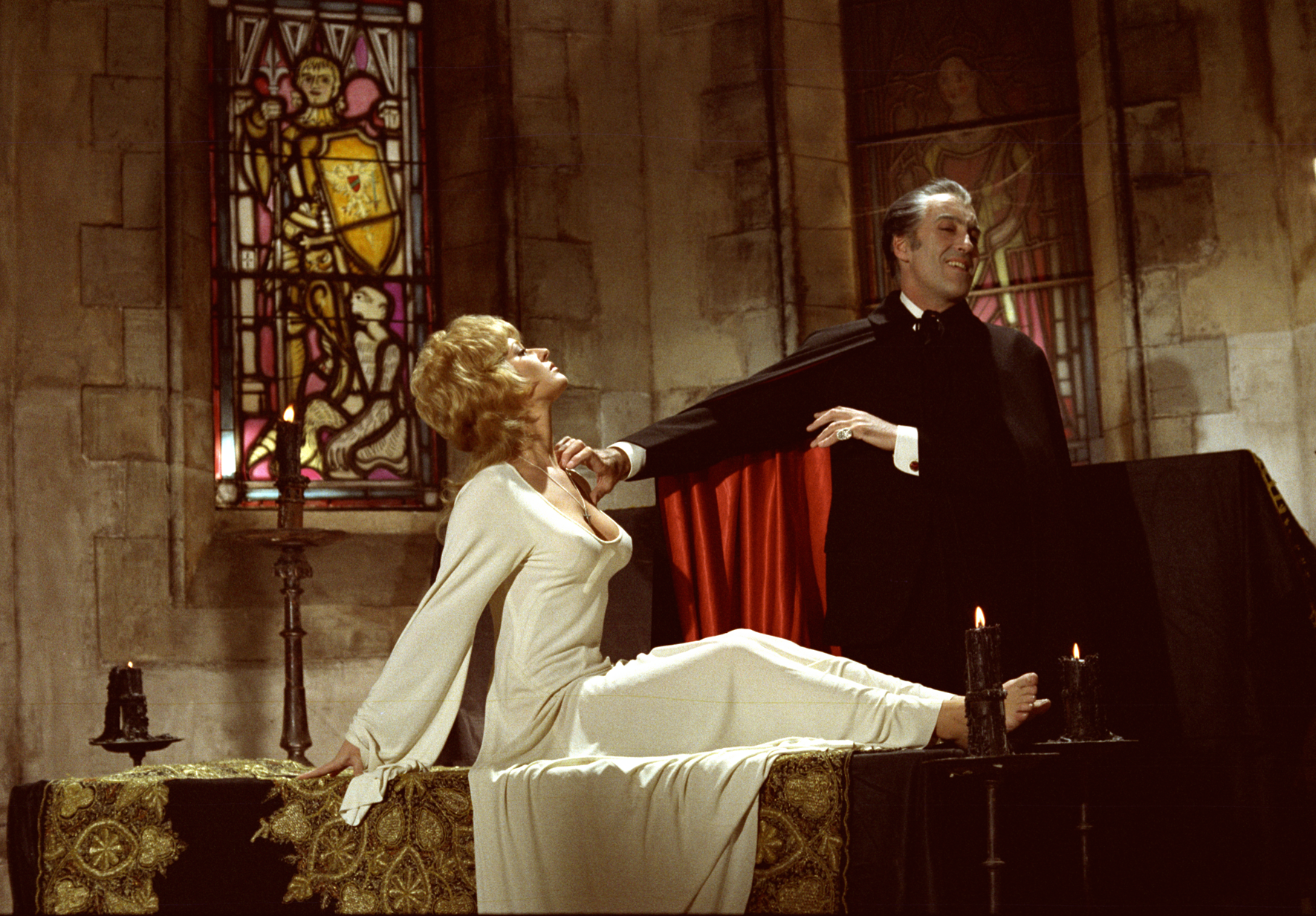
Terence Fisher’s HORROR OF DRACULA (1958), alongside films such as his own THE CURSE OF FRANKENSTEIN (1957), helped define British horror. Produced by Hammer Film Productions, it marked the beginning of the studio’s distinctive approach to reimagining familiar Gothic tales through colour at a time when classic screen horror was still strongly associated with black and white.
The choice may seem straightforward, but it transformed the genre by intensifying both fear and disgust: blood could finally appear vividly red on screen. HORROR OF DRACULA remains one of the clearest examples of how decisively that shift changed the face of horror cinema.
Rafał Glapiak